Back to top
Nisin .
Nisin .

Nisin .

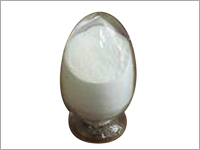
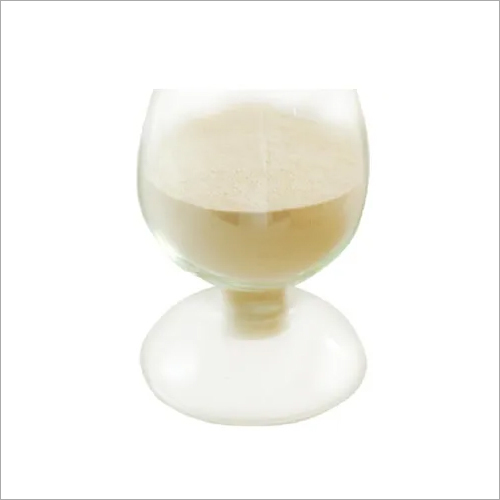
Nisin . Specification

  • Molecular Formula
  • C143H230N42O37S7
  • Water Solubility
  • Freely soluble
  • Solubility Tests
  • Clear solution in water
  • Melting Point
  • Decomposes
  • Taste
  • Slightly salty
  • Structural Formula
  • Available upon request
  • Assay
  • >900 IU/mg
  • Appearance
  • Powder
  • Solid Content
  • Minimum 50%
  • Shelf Life
  • 24 months
  • Heavy Metal (%)
  • <0.001%
  • Physical Form
  • Powder
  • Other Names
  • E234; Nisin A
  • Type
  • Polypeptide bacteriocin
  • Purity
  • >98% (on dry basis)
  • Application
  • Preservative in food, dairy, canned foods, beverages


About Nisin .

Specification of Nisin

Items

Specification

Appearance

Grey or off--white powder

Identity

Complies

Moisture

MAX 3%

pH of 10% water solution:

3.10-3.60

Heavy metals

MAX 20 mg/kg

Arsenic (As):

MAX 3 mg/kg

Hydrous Potency

MIN 1000 IU/MG


Table 2. The function of Nisin in Canned food for heat processing

Canned Food

pH Value

Fo Value*


without Nisin

with Nisin**


Chocolate Milk

6.6

9.39.6

2.63.4

Thick Cheese

5.0

28.830.0

9.19.9

Vegetable Soup

4.55.0

24.630.0

9.09.9

Meat Soup

4.55.0

15.430.0

8.110.3

Vegetable

4.66.0

15.440.7

7.912.0

Pea

5.5

6.07.2

4.15.1

Mushroom

6.0

17.519.3

2.53.3

Tomato

4.5

0.00.3

0.00.3

Fruit

3.84.5

0.00.8

0.00.4

Meat

5.5

19.219.7

3.110.8

Fish

5.0

3.47.3

3.95.4

Grain

5.0

30.040.0

9.09.6


Ideal Natural Preservative for Food Safety

Nisin offers dependable antimicrobial protection for a wide spectrum of food and beverage applications. Its natural origin and proven effectiveness ensure product stability and safety, making it the preferred choice for food manufacturers seeking clean-label solutions.


High Purity and Quality Assurance

With a purity level exceeding 98% and a low heavy metal content, Nisin meets stringent industry standards. Each batch undergoes rigorous testing, including water solubility assessments and assay validation, guaranteeing consistent potency and safety.

FAQs of Nisin .:


Q: How is Nisin typically used in the food industry?

A: Nisin is commonly incorporated into processed foods, dairy products, canned goods, and beverages as a preservative. It is added during manufacturing to inhibit spoilage-causing bacteria, effectively extending the shelf life of food items.

Q: What are the main benefits of using Nisin as a preservative?

A: Nisin provides powerful antimicrobial protection against a range of bacteria, helping maintain product freshness and safety. Its natural origin allows for clean-label claims, meeting consumer demand for fewer synthetic additives in food.

Q: When should Nisin be added during food processing?

A: Nisin is generally introduced during the blending or mixing stage of food preparation. Adding it early in the process ensures even distribution and maximizes its preservative effects throughout the finished product.

Q: Where can Nisin be sourced and in what form is it available?

A: Nisin is supplied by manufacturers and exporters based in India and is readily available in powder form. It can be ordered in bulk for industrial use, and structural formula details can be provided upon request.

Q: What is the solubility and appearance of Nisin in formulations?

A: Nisin is freely soluble in water and forms a clear solution upon dissolution. Its physical form is a slightly salty powder, making it easy to blend into various food matrices without affecting product texture or taste.

Q: How do you ensure the quality and safety of Nisin?

A: Every batch of Nisin is tested for purity (>98%), microbial activity (assay >900 IU/mg), and heavy metal content (<0.001%). Quality control measures also include solubility tests and solid content analysis to guarantee product consistency.

Tell us about your requirement
product

Price:

Quantity
Select Unit

  • 50
  • 100
  • 200
  • 250
  • 500
  • 1000+
Additional detail
Mobile number

Email

More Products in Food additives Category

Soy Sauce Powder

Soy Sauce Powder

Solubility Tests : Please insert solubility tests from image

Taste : Please insert taste description from image, Other

Application : Please insert application use from image

Molecular Formula : Please insert molecular formula from the image

Water Solubility : Please insert water solubility from image

Smell : Other, Please insert smell description from image

Transglutaminase for meat

Transglutaminase for meat

Solubility Tests : Soluble in water, insoluble in organic solvents

Taste : Other , Neutral

Application : Improving texture/bonding in meat, fish, poultry

Molecular Formula : C27H44N6O17

Water Solubility : Easily soluble

Smell : Other, Odorless

Propylene Glycol Alginate

Propylene Glycol Alginate

Solubility Tests : Easily soluble in water, insoluble in ethanol and ether

Taste : Other , Tasteless or slightly acidic

Application : Used as an emulsifier, stabilizer and thickener in food, beverage, dairy, and pharmaceutical industries

Molecular Formula : C9H14O7

Water Solubility : Soluble

Smell : Other, Odorless or slight odor

Matcha Powder

Matcha Powder

Solubility Tests : Disperses in Warm Water

Taste : Other , Umami, Slightly Bitter, Sweet Aftertaste

Application : Beverages, Culinary, Bakery, Ice Cream, Confectionery

Molecular Formula : N/A (Mixture of natural compounds)

Water Solubility : Partially Soluble

Smell : Other, Fresh, Grassy Aroma