
Call us now
Call us now

Transglutaminase(TG), which widely distributed inhuman bodies, advanced animals, plants and microorganisms. It can catalyzes thereactions of cross-linking intra-and intermolecular of proteins, thus TG canimprove the capability of the food protein, For example theemulsification,gelation,viscosity and high thermal-stability.
Specifications
The main functional factor of TG is Transglutaminase (EC 2.3.2.13, TG), fordifferent application, we have different type, different TG activity contentand the carrier form different series of TG product.
Applications
1. Improvement of the food texture: TG can improve the important properties ofprotein by catalyzing the formation of cross-links intra- and inter molecule ofproteins. If the product is applied in the production of reformed meat, it cannot only cohere the dogmeat together, but also attach the non-meat protein tomeat protein with cross-links, thus greatly improving the taste, flavor,texture and nutrition value of meat products.
2. Improvement of the nutrition value of protein: TG can make the essentialamino acid(such as lysine) of human bodies covalently cross-linked with proteinto prevent the amino acids from being destroyed by Maillard reaction, whichresults in the improvement of the nutrition value of protein. Transglutaminasecan also be used to introduce the absent amino acids into protein with unidealcompositions. People in developing countries are especially interested in thisaspect.
3. Preparation of heat-resistant and water-fast film: When thetransglutaminase-catalyzed casein is dehydrated, a water- insoluble film isobtained. This film can be hydrolyzed by chymotrypsin. Therefore, it is anedible film that can be used as food packaging material.
4. Embedation of fat or fat-soluble substance
5. Improving the flexibility water-holding ability of food.
Range
1,Pre-Hydration use: Pre-hydrate TG with cold water(< 5C), then addthe solution to meat material, mixing fully, fill the mis into casing of mold,keep chilled(>0C) preferably overnight(min.2 hrs.)to complete binding.
2,Sprinkle coating use: Coat both sides of binding surface of raw materialevenly with TG, Form using a mold , keep chilled (>0C) preferablyovernight(min.2 hrs.) to complete binding.
3, Addition with Brine: In cases where brine can be absorbed by a meat productfairly quickly, TG may even be added to the brine before marinating. This wouldbe the case when using low marinade levels or in muscle that absorb brinerapidly. Once TG is mixed with the brine or marinade, it should be added immediatelyto the meat and tumbled or mixed to incorporate. The product shuld be formedwithin 20-30 minutes of mixing TG with the liquid ingredients.
4,Injection method: Although in some cases TG might be injected, it is notgenerally recommended for injection.
Methods
1. Because the series of TG food additives belong to bioactive product, theyshould be air-tightly preserved under the condition of low temperature (below10 oC) to avoid the adsorption of moisture and chronic contact with air.
2. The enzyme should be equably dispersed in the reaction system. To the systemthat contains less moisture, it is advisable to first suspend.
3. Since the dosage of TG is depending on the recipe and process of specificfood, please do some test before using it.
4. For further information please contact with our technical service.
Attentions
TG in meat application:
1. for meat binding: Easy handling; Natural cross-linking of the meats own proteinsby the enzyme Transglutaminase;Without influence to the sensory properties ofthe meat;High stability of your products during further processing steps asslicing, marinating, heating and packaging.
2. for ham and sausage: improves texture of emulsified sausages even in canned applications. Sausages get a firmer bite .Slicinglosses in sausages and cooked ham products are reduced. Fermented Sausagesreach sliceable condition in shorter time.Quality variations of raw materialsare equalized and cooked products obtain an improved slice-stability.
3. for meaty food: Can be used as or instead of the filling of sausageproducts.
TG in diary application:
Reducing costs by replacing/reducing the added protein powder and/orstabilizers
Increasing the viscosity/gel strength of both stirred and set yoghurt
Reducing syneresis and gives a smooth surface
Improving creaminess in low fat yoghurt
TG in flour application:
Improving the flavor and yields.
Enhancing the sticky and flexibility
Avoiding the noodle soup become thick
Enhancing the crystal-clear of the dumpling skin
Extend shelf life
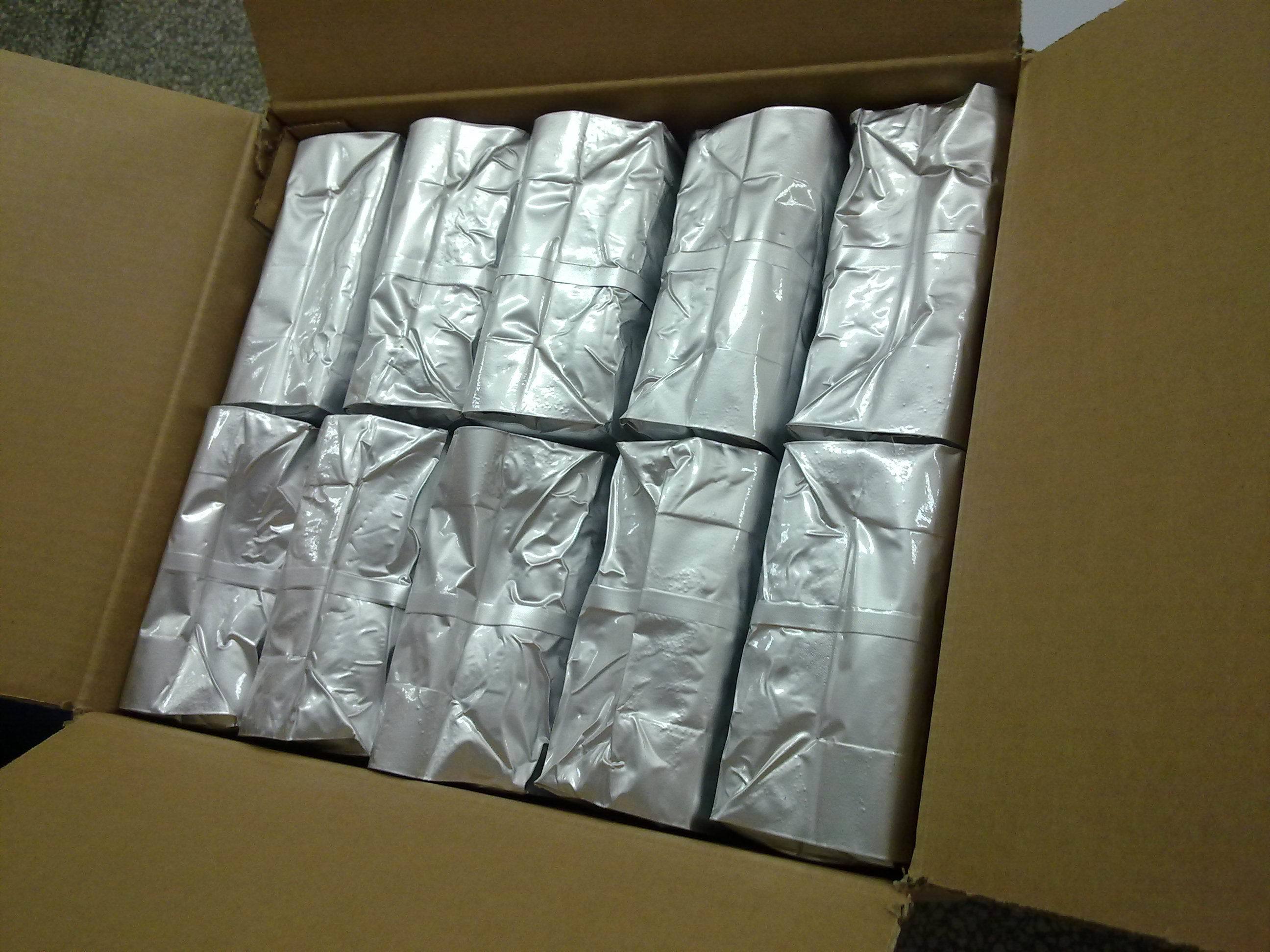

Price:
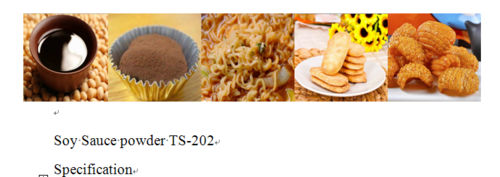
Physical Form : Other, Please insert physical form from image
Shelf Life : Please insert shelf life duration from image
Assay : Please insert assay content from image
Water Solubility : Please insert water solubility from image
Appearance : Please insert value from image
Molecular Formula : Please insert molecular formula from the image
Physical Form : Other, Fine powder
Shelf Life : 2 years
Assay : 98.0% min
Water Solubility : Soluble
Appearance : Powder
Molecular Formula : C9H14O7
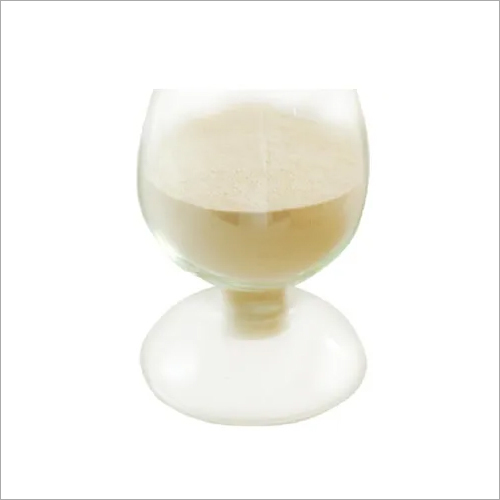
Physical Form : Solid
Shelf Life : 12 Months
Assay : Protein Content Assayed
Water Solubility : Partially Soluble (Bar Form)
Appearance : Solid Bar
Molecular Formula : N/A (Mixture of Proteins and Ingredients)

Physical Form : Other, Solid powder
Shelf Life : 2 years
Assay : 95%
Water Solubility : Soluble in hot water
Appearance : Powder
Molecular Formula : C12H18O9


 Send Inquiry


 Send Inquiry
 Send Inquiry