Back to top
Matcha Powder
Matcha Powder
Matcha Powder
Matcha Powder
Matcha Powder
Matcha Powder
Matcha Powder
Matcha Powder
Matcha Powder
Matcha Powder
Matcha Powder
Matcha Powder
Matcha Powder
Matcha Powder
Matcha Powder
Matcha Powder
Matcha Powder
Matcha Powder

Matcha Powder

Matcha Powder Specification

  • Smell
  • Fresh, Grassy Aroma
  • Solid Content
  • 95%-98%
  • Solubility Tests
  • Disperses in Warm Water
  • Water Solubility
  • Partially Soluble
  • Appearance
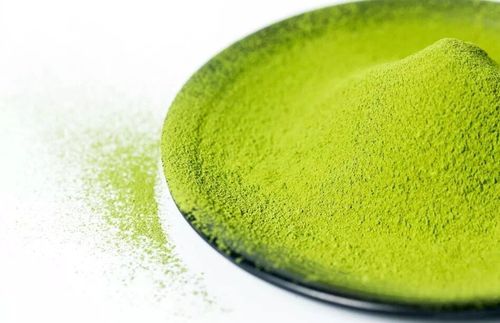
  • Fine Powder
  • Shelf Life
  • 18-24 Months
  • Molecular Formula
  • N/A (Mixture of natural compounds)
  • Heavy Metal (%)
  • <0.001%
  • Taste
  • Umami, Slightly Bitter, Sweet Aftertaste
  • Physical Form
  • Fine Powder
  • CAS No
  • N/A (Matcha powder is a natural product, not a single compound)
  • Other Names
  • Green Tea Powder, Japanese Matcha
  • Type
  • Tea Powder
  • Color
  • Vibrant Green
  • Purity
  • 100% Pure
  • Application
  • Beverages, Culinary, Bakery, Ice Cream, Confectionery
  • Storage
  • Cool, Dry Place, Away from Sunlight
  • Moisture Content
  • <7%
  • Antioxidant Value
  • Rich in EGCG and catechins
  • Caffeine Content
  • Approximately 30-70 mg per serving (1g)
  • Grade
  • Ceremonial, Premium, Culinary
  • Chlorophyll Content
  • High (gives vibrant green color)
  • Additives
  • None (pure, unblended)
  • Main Ingredients
  • Ground shade-grown green tea leaves (Camellia sinensis)
  • Mesh Size
  • 600-1200 mesh (ultrafine)
  • Microbial Limits
  • In compliance with food safety standards
  • Packaging
  • Airtight pouches, tins, bulk bags


About Matcha Powder

Matchacontains more antioxidants than any other variety of green tea. Ourceremonial-grade matcha green tea has a deep earthy flavor with hints ofsweetness. Perfect for making tea, or adding to baked goods, smoothies andmore.

Health Benefits of Matcha GreenTea

1)Antioxidant Powerhouse: The most prominent catechin found in matcha tea isepigallocatechin gallate (EGCG), an even more potent form of antioxidant thanVitamin C or E. Matcha powder contains a more highly concentrated form of EGCGthan its loose leaf tea counterpart.

2)Weight Loss: 3)Reduces Stress: 4)Detoxifying Properties: How to Make Matcha Green Tea

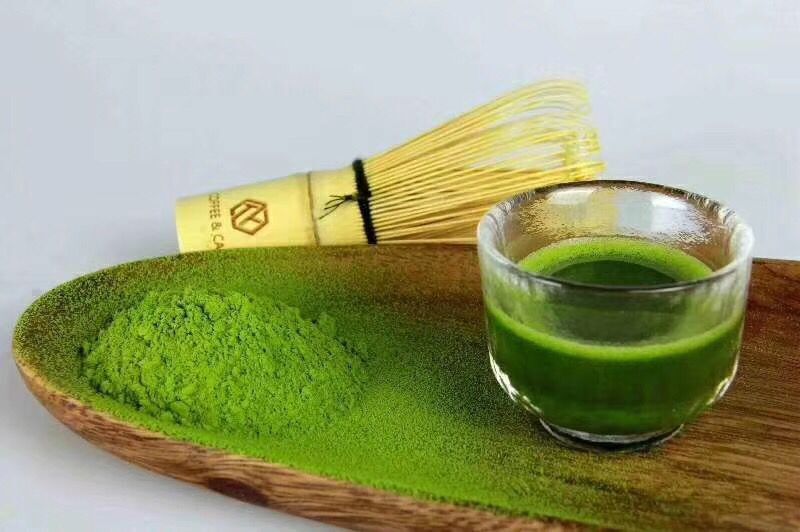
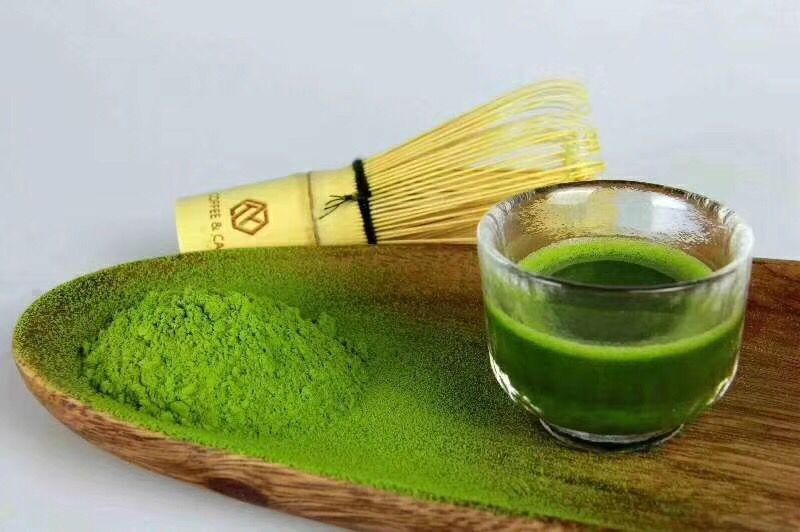
Usinga spoon: Usinga traditional bamboo whisk: Put 0.5-1 teaspoon of 100%matcha powder in a large cup or drinking bowl and add a small amount of hotwater. Whisk in a quick, light zig-zag motion until a layer of green frothappears on the surface. Add more water if desired. 100% matcha powder can beused for thin or thick matcha. The ideal water temperature for 100% matchagreen tea is 150-180 degrees Fahrenheit.


Matcha Green Tea Recipe Ideas

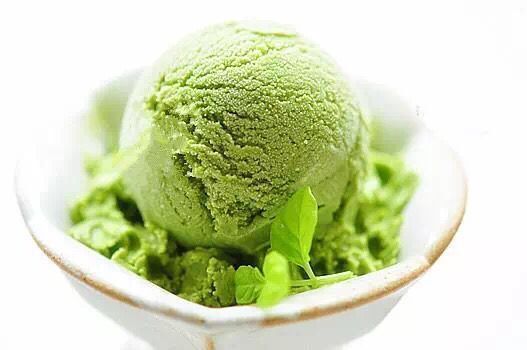
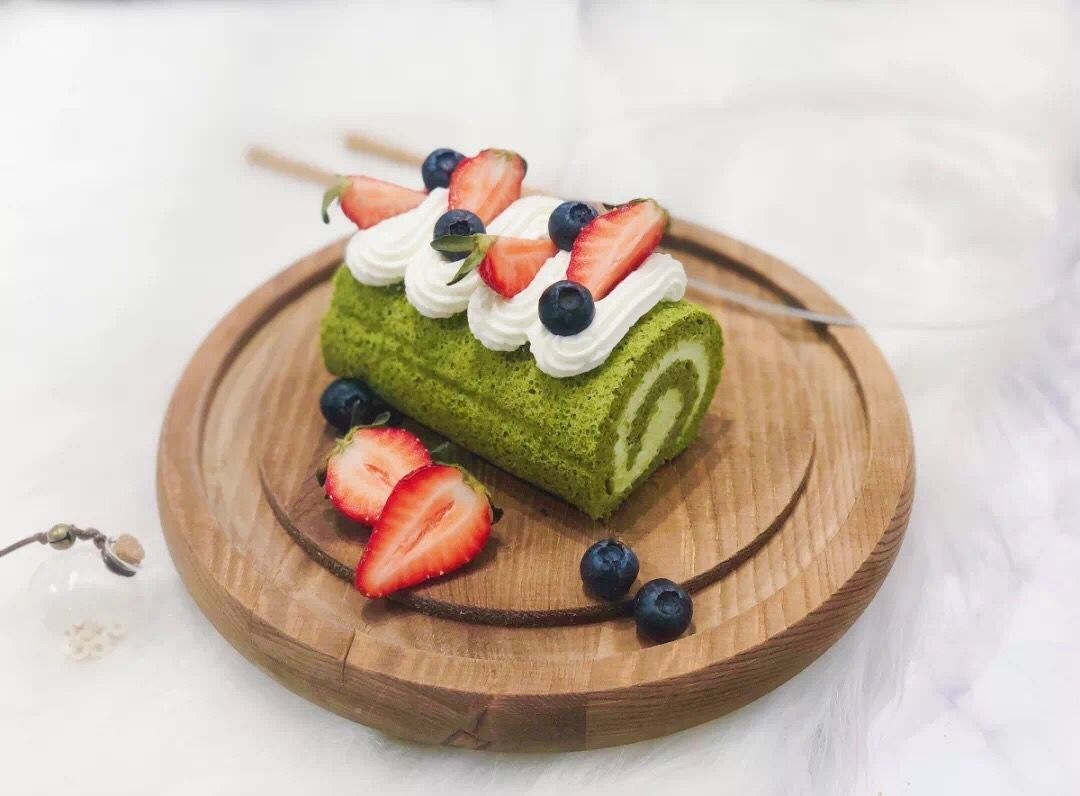
Aside from a drinking tea, matcha can alsobe used for making green tea cakes, ice cream, and any other desserts or treatsthat call for the flavor of the tea. Whip up a deliciously energizing breakfastwith our matcha green tea pancakes recipe. Or, turn your smoothie intoan antioxidant powerhouse by adding 1-2 tablespoons of matcha powder - we lovemaking this nourishing matcha green tea smoothie foran invigorating boost. Both of these healthy recipes were developed just for usby a Registered Dietitian so they're packed with nutrition and flavor.


Caffeine in Matcha Green Tea

There are approximately 45mg of caffeine per gram of matchagreen tea powder.

What Does Matcha Green TeaTaste Like?

Due to its high levels of amino acids, matcha green tea has adeep and complex taste, initially bitter but with a sweet aftertaste.

What is Matcha and How Is ItProduced?

Matcha is a high-quality green tea powder with a fine texture.Its tea leaves are grown only in Japan and are shielded fromsunlight several weeks before harvest. This helps the leaves darken and producehigher levels of amino acids. After the best tea leaves are picked, they aredried out and ground manually to a fine powder on a stone mill to protect thenutrients in the leaves.

Although organically grown foods are often considered superiorto non-organic foods, this is not the case with matcha green tea. Unlike otherplants, matcha is protected from sunlight for most of its life, in order todevelop its rich amino acid profile and unique flavor. As such, it requiresfertilizers for energy to grow. The fertilizers used to grow our matcha arehigh-quality, natural fertilizers, although they are not certified organic.Organic matcha green tea powders may carry the organic label, but they tend tobe lighter in color and have a weaker flavor and lower nutrient profile. That'swhy many connoisseurs buy matcha green tea that is non-organic.
Pure, Premium-Grade Matcha

Crafted from shade-grown green tea leaves and carefully stone-ground into an ultrafine powder (600-1200 mesh), our matcha retains its natural, vibrant green color and full spectrum of beneficial compounds. Each batch is unblended and free from additives, ensuring you get 100% pure, high-quality green tea powder, whether for ceremonial, premium, or culinary uses.


Antioxidant-Rich and Full of Flavor

Matcha is celebrated for its elevated levels of EGCG, catechins, and chlorophylldelivering excellent antioxidant benefits. The fine powder disperses easily in warm water and imparts a fresh, grassy aroma with a subtle umami taste, a touch of bitterness, and a sweet aftertaste, making it perfect for beverages, pastries, and confections.


Versatile Applications for Food and Drinks

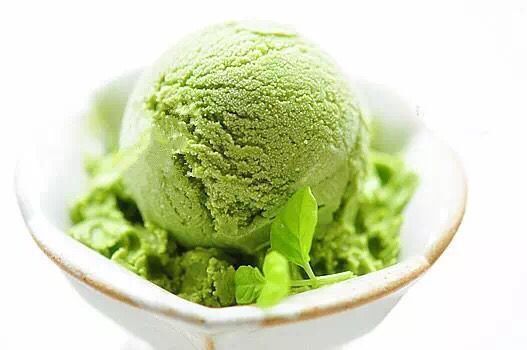
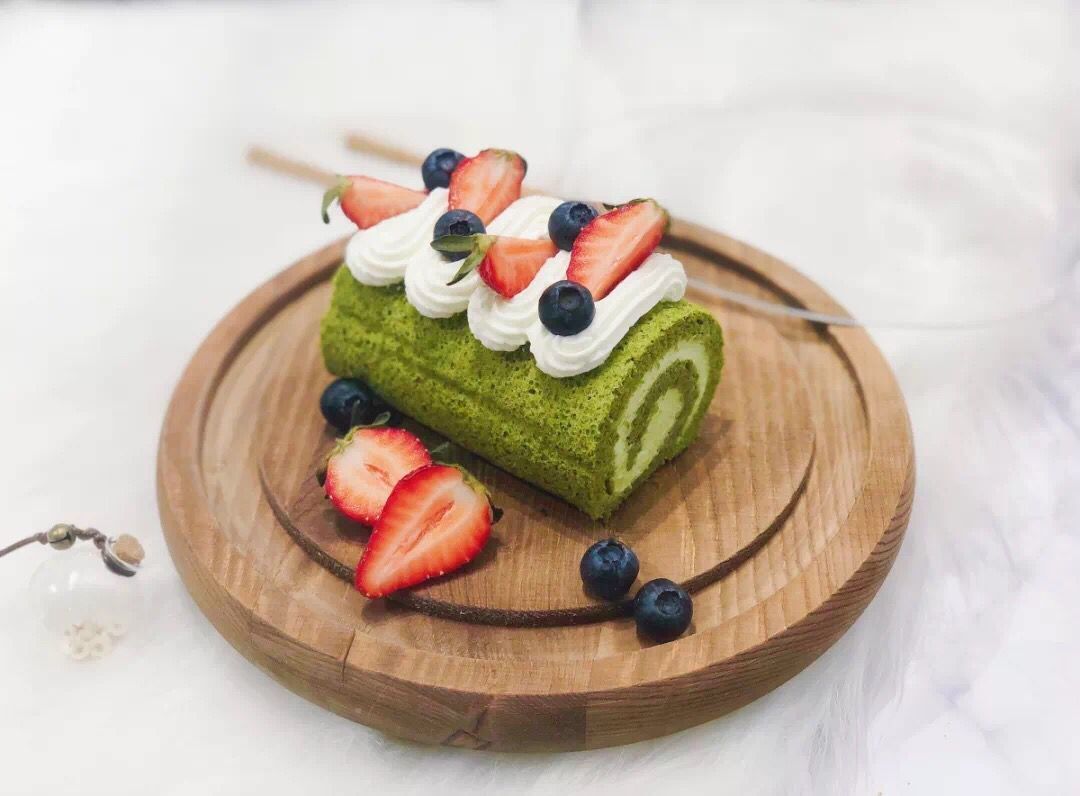
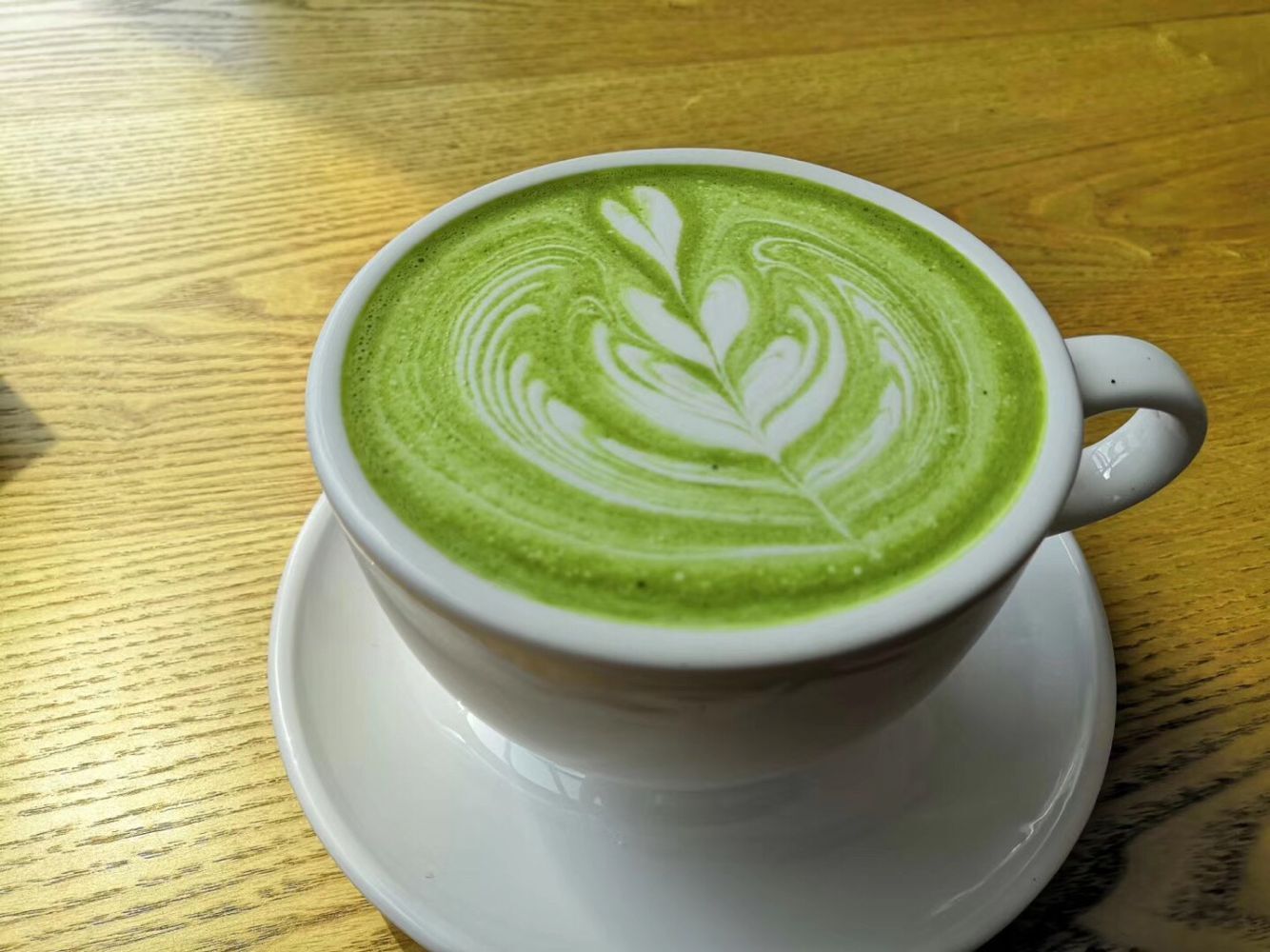
Whether used in traditional tea ceremonies, crafted beverages, bakery creations, or premium desserts like ice cream, this matchas rich color, flavor, and texture enhance every preparation. Its partial water solubility makes it easy to blend, and airtight packaging ensures it remains fresh during storage and transport.

FAQs of Matcha Powder:


Q: How should matcha powder be prepared for drinking or recipes?

A: To prepare matcha for beverages, sift 1-2 grams of powder into a bowl, add a small amount of warm water (not boiling), and whisk vigorously until frothy. For recipes or culinary uses, simply blend the powder with other dry ingredients or dissolve in warm liquid as needed.

Q: What distinguishes ceremonial, premium, and culinary grades of this matcha powder?

A: Ceremonial grade is the highest quality, ideal for traditional tea ceremonies due to its smoothness and vibrant color. Premium grade is suitable for daily drinking, while culinary grade is formulated for cooking, baking, and flavoring foods and beverages.

Q: When is the best time to consume matcha powder?

A: Matcha can be enjoyed at any time, but many people prefer it in the morning or early afternoon for a natural energy boost, as it contains approximately 30-70 mg of caffeine per serving. Avoid drinking it late at night if sensitive to caffeine.

Q: Where is your matcha powder sourced and manufactured?

A: Our matcha powder is expertly grown, ground, and processed in China by trusted exporters, manufacturers, and suppliers who adhere to rigorous food safety and quality standards.

Q: What are the main health benefits of using matcha powder?

A: Matcha is rich in antioxidants such as EGCG and catechins, which support overall wellness. Its chlorophyll content may aid detoxification, while the caffeine and L-theanine combination offers sustained alertness without jitters.

Q: How should matcha powder be stored to maintain freshness?

A: Store matcha powder in airtight tins or pouches, in a cool, dry place away from direct sunlight. Proper storage helps preserve its color, aroma, and nutritional value, extending shelf life up to 18-24 months.

Q: Can matcha powder be used in both hot and cold applications?

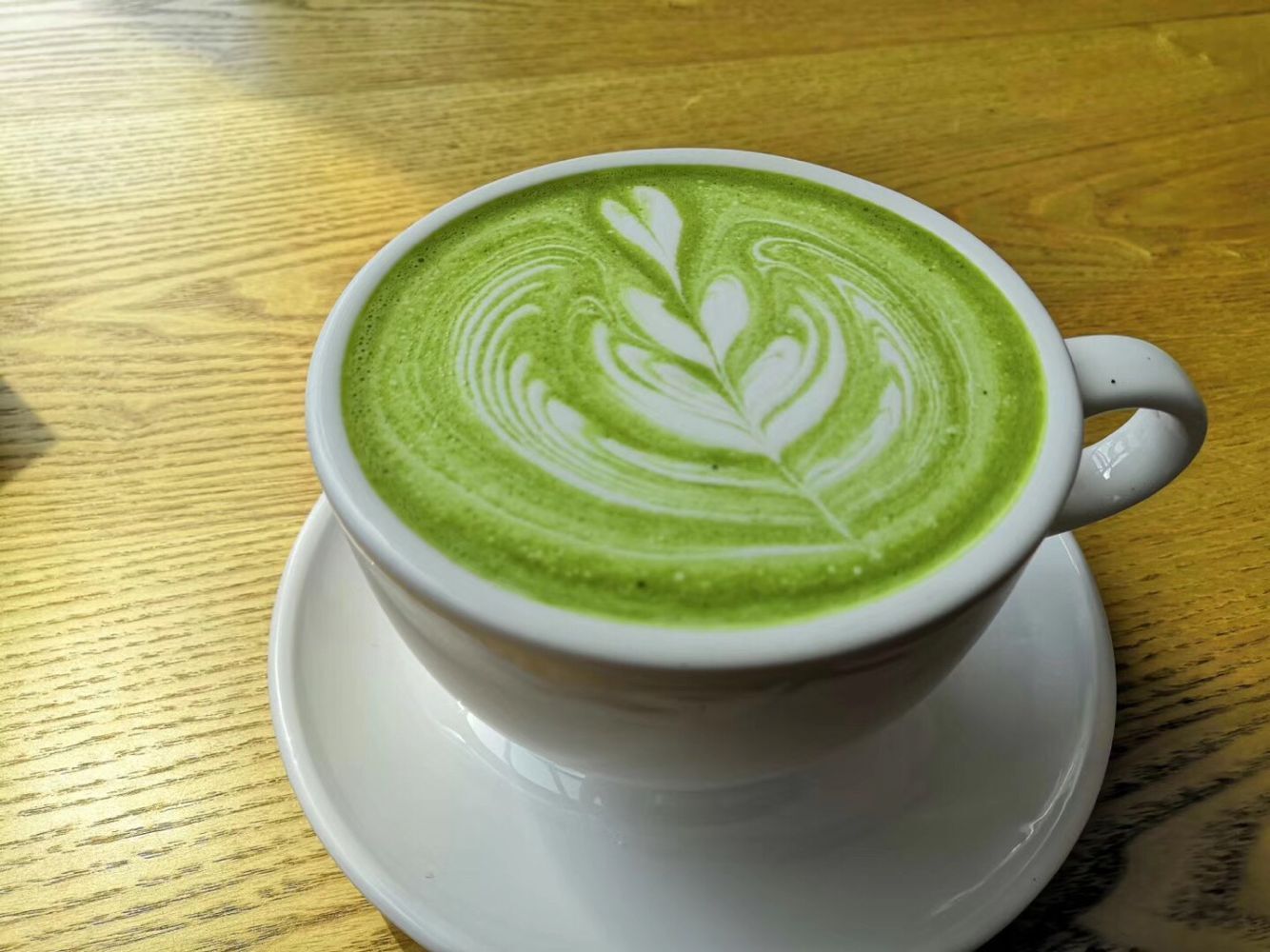
A: Yes, matcha powder can be blended into hot water for tea or lattes, or mixed into cold beverages like smoothies, as well as used in baking, ice cream, and other culinary creations.

Tell us about your requirement
product

Price:

Quantity
Select Unit

  • 50
  • 100
  • 200
  • 250
  • 500
  • 1000+
Additional detail
Mobile number

Email

More Products in Food additives Category

Soy Sauce Powder

Soy Sauce Powder

Application : Please insert application use from image
Physical Form : Other, Please insert physical form from image

Water Solubility : Please insert water solubility from image

Appearance : Please insert value from image

Solid Content : Please insert solid content percentage from image

Molecular Formula : Please insert molecular formula from the image

Gellan Gum

Gellan Gum

Application : Food additive, stabilizer, thickener, gelling agent, beverage, dairy, desserts, candies, plant tissue culture.
Physical Form : Powder

Water Solubility : Soluble in water

Appearance : Powder

Solid Content : 85%

Molecular Formula : C12H18O9

Agar CAS 9002-18-0

Agar CAS 9002-18-0

Application : Food, pharmaceuticals, microbiological culture media

Physical Form : Other, Solid powder

Water Solubility : Soluble in hot water

Appearance : Powder

Solid Content : 99%

Molecular Formula : C12H18O9

Carrageenan CAS 11114-20-8

Carrageenan CAS 11114-20-8

Application : Food, Dairy, Pharmaceutical

Physical Form : Powder

Water Solubility : Soluble

Appearance : Fine Powder

Solid Content : >= 90%

Molecular Formula : C24H36O25S2