About L-Tartaric Acid
L-Tartaric Acid
- Name L(+)-Tartaric acid
- Synonyms (+)-Tartaric acid; L(+)-Dihydroxysuccinic acid; Natural tartaric acid
- Molecular Structure
- Molecular Formula C4H6O6
- Molecular Weight 150.09
- CAS Registry Number 87-69-4
- EINECS 201-766-0
- FEMA 3044
Exceptional Purity and VersatilityL-Tartaric Acid stands out for its exceptional purity, with a minimum assay of 99.5%. This strong acid finds essential utility in food as an acidity regulator, as well as in pharmaceutical, cosmetic, textile, and chemical industries. Its white, crystalline form ensures easy handling and consistent quality, making it a preferred choice across diverse sectors.
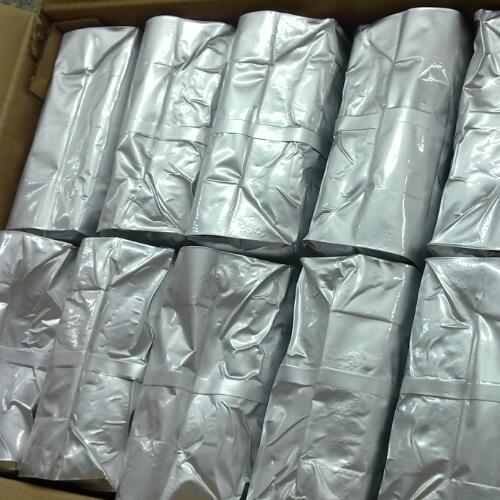
Application and Storage GuidelinesUsers are advised to store L-Tartaric Acid in a tightly closed container and keep it in a cool, dry place to prevent degradation. The powder form blends easily due to its high solubility in water and alcohol, while its odorless and distinctive taste profile makes it suitable for regulated food and pharma applications.
FAQs of L-Tartaric Acid:
Q: How should L-Tartaric Acid be stored to maintain its quality?
A: L-Tartaric Acid should be kept in a tightly closed container and stored in a cool, dry place. Proper storage helps maintain its shelf life of up to two years and prevents moisture absorption or contamination.
Q: What are the main applications of L-Tartaric Acid?
A: L-Tartaric Acid serves primarily as an acidity regulator and is used in the food industry, pharmaceuticals, cosmetics, textiles, and chemicals. Its high purity and solubility make it valuable for diverse manufacturing and formulation processes.
Q: When is L-Tartaric Acid typically added during food processing?
A: L-Tartaric Acid is generally introduced during mixing or blending stages in food processing to regulate acidity, enhance flavors, or act as a stabilizing agent, depending on the specific recipe and product requirements.
Q: Where can L-Tartaric Acid manufactured in India be sourced for use?
A: This product is available directly from reputable exporters, manufacturers, and suppliers based in India. It is distributed locally and internationally for various industrial applications.
Q: What is the recommended process for dissolving L-Tartaric Acid in formulations?
A: Given its high solubility, L-Tartaric Acid should be added to water or alcohol under stirring conditions. It dissolves freely, ensuring even distribution in the final product without leaving residues.
Q: What are the benefits of using L-Tartaric Acid in formulations?
A: L-Tartaric Acid provides precise acidity regulation, offers a strong, characteristic taste, and enhances product stability. Its exceptional purity and odorless nature are particularly beneficial in food and pharmaceutical preparations.
Q: Is L-Tartaric Acid safe for use in sensitive applications?
A: Yes, with a heavy metal content of no more than 0.001% and a minimum assay of 99.5%, L-Tartaric Acid is well-suited for sensitive uses, including pharmaceuticals and foods, when handled according to recommended guidelines.








 Send Inquiry


 Send Inquiry
 Send Inquiry