About L-Valine
Name:L-Valine
Synonyms: L-2-Amino-3-methylbutyricacid; 2-Aminoisovaleric acid
copyRight L-Valine, L-2-Amino-3-methylbutyric acid,2-Aminoisovaleric acid,
Molecular Formula:C5H11NO2
Molecular Weight:117.15
CAS Registry Number:72-18-4
EINECS:200-773-6
Valine (abbreviated as Val or V)[1] is an-amino acid with the chemical formula HO2CCH(NH2)CH(CH3)2. L-Valine is one of20 proteogenic amino acids. Its codons are GUU, GUC, GUA, and GUG. Thisessential amino acid is classified as nonpolar. Along with leucine andisoleucine, valine is a branched-chain amino acid. It is named after the plantvalerian. In sickle-cell disease, valine substitutes for the hydrophilic aminoacid glutamic acid in hemoglobin. Because valine is hydrophobic, the hemoglobindoes not fold correctly.
Exceptional Purity and Versatile ApplicationsWith a minimum purity of 99%, our L-Valine stands out for use in pharmaceuticals, food, and feed industries. The plant and fermentation-based sourcing ensures high quality and suitability for sensitive applications, such as supplements, medical formulations, animal nutrition, and food fortification. Its compatibility across various gradesfood, pharmaceutical, and feedcombined with excellent solubility in water, allows for easy integration into formulations.
Commitment to Quality and SustainabilityAs a leading exporter, manufacturer, and supplier based in China, our production emphasizes sustainability. Utilization of plant-based and fermentative raw materials reduces environmental impact, while strict quality control guarantees consistency, safety, and superior efficacy. Our L-Valine abides by international food and pharmaceutical standards, ensuring it is safe, pure, and reliable for global clients.
FAQs of L-Valine:
Q: How is L-Valine produced and what are its main sources?
A: L-Valine is primarily produced via fermentation methods using plant-based raw materials. This sustainable production process ensures high purity (99% minimum) and reduces impurities, making it suitable for food, pharmaceutical, and feed applications.
Q: What are the typical uses of L-Valine in industries?
A: L-Valine is used as a pharmaceutical intermediate, a supplement in feed to improve animal growth and health, and as a food additive for nutrition enhancement. Its essential amino acid profile makes it important for protein synthesis and overall metabolic health.
Q: When should L-Valine be used as a feed or food additive?
A: L-Valine should be incorporated into animal feed or food products whenever there is a need to enhance the essential amino acid content. It is especially valuable for animals or individuals with increased protein requirements or dietary deficiencies.
Q: Where is your L-Valine manufactured and exported from?
A: Our L-Valine is manufactured and supplied from China, adhering to international quality standards. We export directly to various countries, catering to food, pharmaceutical, and feed industries worldwide.
Q: What process ensures the high purity of your L-Valine product?
A: Strict fermentation processes and advanced refinement techniques are utilized to achieve a minimum purity of 99%. Rigorous quality control at every stage ensures the product is free from contaminants and meets food, pharmaceutical, and feed-grade standards.
Q: How should L-Valine be stored to maintain its quality?
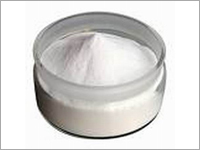
A: L-Valine should be stored in a cool, dry place, away from moisture, heat, and direct sunlight. Proper storage ensures that the white crystalline powder retains its stability, solubility, and efficacy over time.
Q: What are the key benefits of using L-Valine in formulations?
A: L-Valine supports muscle building, recovery, and maintenance, both in humans and animals. It enhances protein assimilation, supports metabolic functions, and can improve the nutritional value of foods and feeds without altering taste or odor.





 Send Inquiry


 Send Inquiry
 Send Inquiry