About L-Tryptophan
L-Tryptophan
Name: L-Tryptophan
Synonyms: L(-)-Tryptophan; (S)-2-Amino-3-(1H-indol-3-yl)propanoic acid; L-alphs-Amino-3-indolepropionic acid; Indole-3-alanine; Trp
Molecular Structure:
Molecular Formula: C11H12N2O2
Molecular Weight: 204.23
CAS Number: 73-22-3
EINECS: 200-795-6
L-Tryptophan is a natural anti-depressant, plentiful in protein foods but largely lost through cooking and processing. L-Tryptophan is a naturally occurring amino-acid. It is a precursor for the mood-regulating serotonin the brain neurotransmitter linked with pleasure and fulfilment. L-Tryptophan's is used to alleviate depression, support withdrawal and to aid weight loss. L-Tryptophan plays an important role in our diets, and aging individuals are often in need of it as a supplement.
Tryptophan is a kind of white or a kind of white to yellowish crystalline powder, smell-less or slight smelly, L- type has the bitter taste, the DL- and the D- type have little sweet taste. 289 oC decompounds, slightly soluble in water, does not dissolve in the ethyl: Dissolves in the diluted acid or the diluted alkali, the long time illumination will color up; heat together with water can produce the water a small amount of indole, like when heat up under the sodium hydroxide, the cupric sulfate existence, then will produce massive indole; heats up with the acid in the hidden place will be more stable; when coexist with Medicine bulk drugs, carbohydrate, and aldehyde, it is extremely easy to decompose.
Tryptophan is heterocyclic amino acid, is a kind of important and necessary amino acids for human body. It is widely applied in pharmaceutical and food fields.
| Product name | L-Tryptophan |
| Test Items | Specifications (USP24) |
| Appearance | Off-white crystals |
| Assay | 98.5-101.5% |
| Specific rotation | -29.4o to -32.8o |
| pH | 5.5-7.0 |
| Loss on drying | 0.3% Max |
| Residue ignition | 0.1% Max |
| Chloride | 0.05% Max |
| Ammonium | 0.02% Max |
| Sulfate | 0.03% Max |
| Iron | 30ppm Max |
| Heavy metals | 15ppm Max |
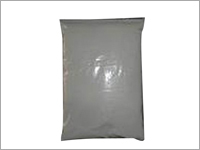
Package: 25kgs per drum.
Storage: Stored in a dry and cool place, keep away from strong light and heat.
Shelf life: Two years when stored properly in a well-closed container.
High Purity GuaranteedL-Tryptophan assures a minimum purity of 99% and conforms to rigorous quality standards for pharmaceutical and food applications, making it suitable for a variety of industries. Its production via modern microbial fermentation techniques ensures consistency and safety in every batch.
Safe and Stable StorageTo preserve its potency and integrity, L-Tryptophan must be stored in a cool, dry place with tightly sealed packaging. When maintained under recommended conditions, it remains stable for up to two years, minimizing waste and ensuring reliable supply.
Versatile ApplicationsThis amino acid is essential in pharmaceuticals for mood regulation, in food additives to fortify nutritional content, and in feed additives for animal nutrition. Its slightly bitter, odorless profile allows seamless integration into diverse formulations without affecting sensory qualities.
FAQs of L-Tryptophan:
Q: How is L-Tryptophan produced in your facility?
A: L-Tryptophan is manufactured through a fermentation process that utilizes glucose as the raw material and advanced microbial technology to ensure high purity and consistent quality.
Q: What are the main applications of L-Tryptophan?
A: This amino acid is primarily used in pharmaceuticals, food additives, and feed additives, where it supports nutritional balance, promotes animal health, and complements therapeutic formulations.
Q: When should L-Tryptophan be used in product formulations?
A: L-Tryptophan is incorporated when a source of essential aromatic amino acid is required, such as in formulations aimed at boosting protein content, enhancing feed for livestock, or as a pharmaceutical ingredient to support mood and sleep health.
Q: Where should L-Tryptophan be stored to maintain its stability?
A: It should be kept in a cool, dry location with the container tightly sealed to preserve its crystalline quality and chemical integrity throughout its two-year shelf life.
Q: What are the benefits of using L-Tryptophan from microbial fermentation?
A: Microbial fermentation ensures high purity, low impurity levels, and avoids any contamination from animal sources, making the ingredient suitable for both food and pharmaceutical use.
Q: How should L-Tryptophan be handled during usage?
A: Handle the product using typical food or pharmaceutical-grade precautions, keeping the container closed when not in use to minimize moisture pickup and maintain its 99% purity.
Q: What ensures the long shelf life and safety of your L-Tryptophan?
A: Careful production, strict packaging in 25 kg drums or as specified, low loss on drying, and compliance with heavy metal standards contribute to a verified shelf life of two years and maximum safety for end users.








 Send Inquiry


 Send Inquiry
 Send Inquiry