About Natamycin .
Natamycin
- Name: Natamycin
- Synonyms: Pimaricin
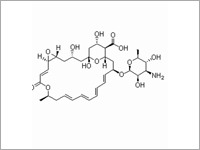
- Molecular Structure:
- Molecular Formula: C33H47NO13
- Molecular Weight: 665.73
- CAS Registry Number: 7681-93-8
- EINECS : 231-683-5
Exporter of Natamycin, white Natamycin also known as pimaricin, is a naturally occurring antifungal agent produced during fermentation by the bacterium Streptomyces natalensis, commonly found in soil. Natamycin has a very low solubility in water, due to the amphiphilic nature of the molecule. However, natamycin is effective at very low levels. Most Molds have an MIC (Minimum inhibitory concentration) of <10ppm. Natamycin is classified as a macrolide polyene antifungal and, as a drug, is used to treat fungal keratitis. It is especially effective against Aspergillus and Fusarium corneal infections.
Package: 10KG/Carton
Storage: Stored in a dry and cool place, keep away from strong light and heat.
Shelf life: Two years when stored properly in a well-closed container.
Specification:
| Test ltem | Specifications |
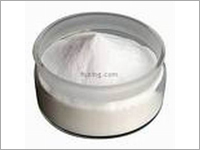
| Appearance | white or buff |
| Moisture | 8.0% Max |
| pH | 5.0-7.0 |
| Ash | 0.5% Max |
| Total Plate Count | 100cfu/g Max |
| Heavy Metals | 10ppm Max |
| Lead | 5ppm Max |
| As | 3ppm Max |
| Hg | 1ppm Max |
| Purity | 50% or 95%Min |
Natamycin acts effectively against a wide array of molds and yeasts, making it ideal for food preservation. Its unique polyene macrolide structure inhibits fungal growth without affecting bacterial flora, thereby maintaining food safety and extending shelf life. With a high assay level (95%), users can be assured of its performance and reliability.
Versatile Applications in Food and PharmaceuticalsThis antifungal agent is commonly applied as a preservative in cheese, cured meat, and baked goods, as well as in certain pharmaceutical preparations. Its appearance as a fine powder (<50 micron) allows for uniform dispersion, enhancing both efficacy and product texture. Both food and pharmaceutical industries benefit from its purity and standards compliance.
Ease of Handling and StorageNatamycin comes as a stable, odorless powder that retains its potency when stored away from heat and moisture in a tightly sealed container. It decomposes before melting, so temperature control is crucial. Its minimal moisture and low residue levels ensure it meets stringent quality requirements and storage guidelines.
FAQs of Natamycin .:
Q: How should Natamycin be stored to maintain its effectiveness?
A: Natamycin should be stored in a cool, dry place with the container tightly sealed. This helps preserve its stability, potency, and high purity over time, preventing degradation due to heat or moisture exposure.
Q: What are the common uses of Natamycin in food processing?
A: Natamycin is extensively used as a preservative in foods like cheese, processed meats, and bakery products. Its antifungal activity helps prevent spoilage by inhibiting mold and yeast growth, thus extending shelf life and maintaining quality.
Q: When is Natamycin added during food manufacturing?
A: Natamycin is generally introduced after the main production stepsuch as on the surface of cheeses before packaging or in cured meats during post-processingto best inhibit fungal contamination during storage and distribution.
Q: Where can Natamycin be applied besides the food industry?
A: Besides food preservation, Natamycin can be used in the pharmaceutical sector as an antifungal agent, particularly in topical and ophthalmic formulations where its high purity and targeted action are beneficial.
Q: What is the process of using Natamycin as a preservative?
A: Typically, Natamycin is applied as a dry powder or as a suspension, directly onto food surfaces or mixed into products. Its fine particle size ensures even coverage and efficient antifungal protection without altering taste or aroma.
Q: What are the primary benefits of choosing Natamycin for preservation?
A: Natamycin offers a broad-spectrum antifungal effect without disturbing beneficial bacteria. It is odorless and tasteless, thus preserving foods original qualities while conforming to food and pharmaceutical grade standards, ensuring safety and efficacy.








 Send Inquiry


 Send Inquiry
 Send Inquiry