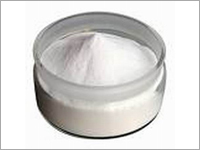
About L(-)-Carnitine
Product Name: L(-)-Carnitine
Synonyms: 3- CARBOXY-N,N,N-TRIMETHYL-2-PROPEN-1-AMINIUM CHLORIDE;3-HYDROXY-4-(TRIMETHYLAMMONIO)
Molecular Formula: C7H15NO3
Molecular Weight: 161.2
CAS Number: 541-15-1
EINECS: 208-768-0
In living cells, it is required for the transport of fatty acids from the cytosol into the mitochondria during the breakdown of lipids (or fats) for the generation of metabolic energy. It is often sold as a nutritional supplement. Carnitine was originally found as a growth factor for mealworms and labeled vitamin Bt. Carnitine exists in two stereoisomers: its biologically active form is L-carnitine, while its enantiomer, D-carnitine, is biologically inactive
Specifications:
ITEM
Specification
Identification
IR or Chemical Method
Appearance
White Crystals or White Crystalline Powder
Specific Rotation
-29.0-32.0
PH
5.59.5
Water Content
4%Max
Residue on ignition
0.2%Max
Chloride
0.4%Max
Sodium
0.1%Max
Potassium
0.2%Max
Heavy metal
20ppmMax
Assay
97.0%103.0%
Packing:25Kg/fiber drum or as request.
Storage:be stored in shady and dry place,keep away from sunlight and heat
Shelf life:2years

Superior Purity and Safety StandardL(-)-Carnitine boasts exceptional purity (99.0%) and rigorous safety controls. Each batch undergoes extensive testing for heavy metals, with lead, arsenic, and mercury maintained well below international safety thresholds. Microbiological quality meets USP standards, ensuring suitability for sensitive applications in health and nutrition industries.
Versatile Applications in Health and NutritionThis white crystalline powder is widely utilized as an ingredient in pharmaceuticals, health supplements, fortified foods, and animal feed. Its role in fatty acid metabolism underscores its importance in improving energy production, supporting heart health, and enhancing physical performance, making it a staple for manufacturers and health sectors.
Packaging and Shelf LifeL(-)-Carnitine is typically supplied in 25kg drums or customized packaging to meet specific export needs. When stored correctlyin sealed, airtight containers away from light and moisture at ambient temperatureit retains its integrity and effectiveness for up to 24 months, ensuring long-lasting shelf stability and consistent quality supply.
FAQs of L(-)-Carnitine:
Q: How should L(-)-Carnitine be stored to maintain its quality?
A: Store L(-)-Carnitine in airtight containers, protected from direct light, and in a dry environment at room temperature. This ensures the product maintains its quality, purity, and potency throughout its 24-month shelf life.
Q: What are the main uses and benefits of L(-)-Carnitine?
A: L(-)-Carnitine is commonly used in pharmaceuticals, food supplements, and animal feed. It aids in fatty acid metabolism, supports energy production, and may contribute to improved physical performance and heart health.
Q: Where is your L(-)-Carnitine produced and exported from?
A: Our L(-)-Carnitine is manufactured in China and is available for export, supplying pharmaceutical, food, and feed industries globally as an established manufacturer and supplier.
Q: What is the purity and microbiological status of your L(-)-Carnitine?
A: Our product is guaranteed at a minimum of 99% purity (on a dried basis) and complies with USP microbiological standards, making it suitable for high-quality pharmaceutical and food applications.
Q: How is L(-)-Carnitine typically used in pharmaceutical and food formulations?
A: Due to its high solubility in water and characteristic slightly acidic taste, L(-)-Carnitine is easily incorporated into tablets, capsules, drinks, and animal feed. Its stability and purity make it ideal for health and nutrition products.
Q: What is the process for manufacturing L(-)-Carnitine?
A: L(-)-Carnitine is produced via chemical synthesis, ensuring a consistent product free from contaminants. Every batch undergoes strict quality testing to meet heavy metal, purity, and microbiological safety standards.
Q: What is the recommended packing and density of your product?
A: L(-)-Carnitine is typically packed in 25kg drums, though custom packaging is available upon request. The products density is approximately 0.6 g/cm, optimizing storage and handling for industrial-scale uses.