About Indole-3-Carbinol
Indole-3-Carbinol
Name: Indole-3-carbinol
Synonyms: 3-Hydroxymethylindole; 3-Indolemethanol; Indole-3-methanol
Molecular Formula: C9H9NO
Molecular Weight: 147.18
CAS Number: 700-06-1
EINECS: 211-836-2
Indole-3-carbinol is produced by the breakdown of the glucosinolate glucobrassicin, which can be found at relatively high levels in cruciferous vegetables. Indole-3-carbinol is the subject of on-going Biomedical research into its possible anticarcinogenic, antioxidant, and anti-atherogenic effects. Research on indole-3-carbinol has been conducted primarily using laboratory animals and cultured cells. Limited and inconclusive human studies have been reported. A recent review f the biomedical research literature found that "evidence of an inverse association between cruciferous vegetable intake and breast or prostate cancer in humans is limited and inconsistent" and "larger randomized controlled trials are needed" to determine if supplemental indole-3-carbinol has health benefits.
Indole-3-carbinol occurs naturally in cruciferous vegetables such as cabbage, broccoli, brussels sprouts, and kale. Indole-3-carbinol is also widely available in supplement form.
| Product name | Indole-3-carbinol |
| Items | Specifications |
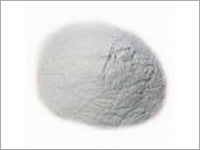
| Description | Faint white fine powder |
| Identification | Positive |
| Assay (by HPLC) | 99.0 % Min. |
| Melting Point | 96-97 oC |
| Loss on drying | 1.0 % Max. |
| Heavy metals | 10 ppm Max. |
Packaging: 1Kg/lucifugal bag & 20bags/drum
Storage: Stored in a dry and cool place below 0oC, keep away from light and heat, and any acid substance. It is to be gradually invalid when be stored at room temperate
Shelf life: Two years when stored properly in a well-closed container below 0oC.
Origin and Raw MaterialIndole-3-Carbinol is derived from the natural breakdown of glucobrassicin, a compound found abundantly in cruciferous vegetables like broccoli, cabbage, and Brussels sprouts. Extraction from these sources ensures its natural purity and suitability for pharmaceutical or food-grade applications.
Applications in Health and ResearchI3C plays a significant role as an antioxidant and is actively researched as a pharmaceutical intermediate in cancer prevention studies. Its influence on estrogen metabolism makes it a popular ingredient in dietary supplements, supporting a range of clinical and health-promoting uses market-wide.
Chemical ProfileBoasting a molecular formula of C9H9NO and a molecular weight of 147.18 g/mol, Indole-3-Carbinol presents as a mildly aromatic solid. It is slightly soluble in water but dissolves readily in DMSO, ethanol, and methanol. Its density stands at 1.32 g/cm3, making it easy to handle for industrial and laboratory purposes.
FAQs of Indole-3-Carbinol:
Q: How is Indole-3-Carbinol produced and sourced?
A: Indole-3-Carbinol is typically extracted from cruciferous vegetables such as broccoli, cabbage, and Brussels sprouts, where it naturally arises from the breakdown of glucobrassicin. Manufacturers in India process these vegetables to obtain a highly pure form suitable for pharmaceutical and food applications.
Q: What are the main applications of Indole-3-Carbinol?
A: Indole-3-Carbinol is used primarily as a pharmaceutical intermediate, dietary supplement, and antioxidant. It is widely researched for its potential in cancer prevention, its ability to modulate estrogen metabolism, and its support of overall wellness.
Q: When should Indole-3-Carbinol be used in pharmaceutical research?
A: Indole-3-Carbinol is utilized in pharmaceutical research during studies related to cancer prevention and estrogen metabolism modulation. Its antioxidant properties also make it beneficial in experimental setups exploring oxidative stress and related biological pathways.
Q: Where is Indole-3-Carbinol commonly manufactured and exported from?
A: Indole-3-Carbinol is commonly manufactured and exported from India, a leading supplier known for offering pharmaceutical and food-grade variants to international markets. Exporters and suppliers in India provide products compliant with global quality standards.
Q: What is the typical process for using Indole-3-Carbinol in supplements?
A: For dietary supplement production, Indole-3-Carbinol is blended and formulated under pharmaceutical or food-grade standards to ensure efficacy and safety. Its solubility profile allows for integration into capsules and tablets or dissolution in compatible solvents.
Q: How does Indole-3-Carbinol benefit human health?
A: Indole-3-Carbinol supports cancer prevention research, acts as an antioxidant, and assists in modulating estrogen metabolism, offering potential benefits in hormone balance and cellular defense mechanisms.






 Send Inquiry



 Send Inquiry
 Send Inquiry