Back to top
4-Aminobenzoic acid(CAS No.150-13-0),P-Aminobenzoic Acid, PABA

4-Aminobenzoic acid(CAS No.150-13-0),P-Aminobenzoic Acid, PABA

4-Aminobenzoic acid(CAS No.150-13-0),P-Aminobenzoic Acid, PABA Specification

  • Origin
  • India
  • Best Before
  • 5 years from manufacturing date
  • Effect
  • Absorbs UV light
  • Flavor
  • Odorless, tasteless
  • Purity
  • 99% min
  • Medicine Type
  • Bulk chemical
  • Chemical Composition
  • C7H7NO2
  • Strength
  • 99%
  • Shelf Life
  • 5 years
  • Efficacy
  • Intermediate for dyes, pharmaceuticals, and sunscreen agents
  • Sub Ingredients
  • None
  • Function
  • Pharmaceutical intermediate, sunscreen agent, dye intermediate
  • Dosage
  • As per formulation requirement
  • Dosage Guidelines
  • As directed in formulation protocols
  • Dosage Form
  • Powder/Crystalline solid
  • Packaging Size
  • 25 kg
  • Packaging Type
  • HDPE drum, bag


About 4-Aminobenzoic acid(CAS No.150-13-0),P-Aminobenzoic Acid, PABA

Name:  4-Aminobenzoic acid

Synonyms:  1-Amino-4-carboxybenzene; p-Aminobenzoic acid; PABA

Molecular Formula:  C7H7NO2

Molecular Weight:  137.14

CAS Number:  150-13-0

EINECS:  205-753-0


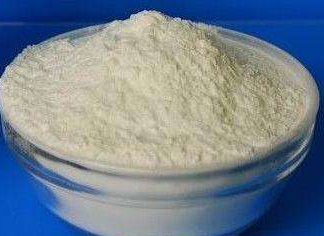
PABA is a white crystalline substance that is only slightly soluble in water. It consists of a benzene ring substituted with an amino group and a carboxyl group.

PABA is an essential nutrient for some bacteria and is sometimes called Vitamin Bx. In humans, PABA is normally made by E-coli in the colon and therefore PABA from food is not normally essential to human health. PABA is therefore not officially classified as a vitamin. PABA is an intermediate in bacterial synthesis of folate. Although humans lack the ability to synthesize folate from PABA, that is also normally done by E-coli. PABA is sometimes marketed as an essential nutrient for use whenever normal PABA synthesis by intestinal bacteria is insufficient.

Symptoms of PABA deficiency may include scleroderma (hardening of skin), weeping eczema (moist eczema), skin infections, and patchy pigment loss in skin (vitiligo). Food sources of PABA include liver, brewer's yeast , kidney, molasses, and whole grains.


Specification

Product name

P-Aminobenzoic acid

Item

Specification (USP30)

Appearance

White crystalline powder

Identification

Accord with test

Assay

98.5-101.5%

Melting point

186.0-189.0°C

Loss on drying

0.2% Max

Residue on ignition

0.1% Max

Heavy metals

20ppm Max


Packing: 25KG net fiber drum lined with plastic bag. The biggest manufacturer of PABA in China. Have the capacity of about 1200MT / year.

Storage:   Stored in a dry and cool place, keep away from strong light and heat.

Shelf life:  Two years when stored properly in a well-closed container.



Versatile Applications Across Industries

PABA serves as a crucial intermediate for pharmaceutical formulations, dye production, and sunscreen manufacturing, thanks to its strong UV absorption properties. Its application flexibility allows formulators to meet strict industry demands for efficacy, safety, and stability. Owing to its role in key chemical processes, PABA is an essential raw material for manufacturers who require a reliable and high-quality compound.


Stringent Quality and Packaging Standards

PABA is provided in HDPE drums or bags, each containing 25 kg of crystalline solid. With a purity of at least 99% and a shelf life of 5 years from the date of manufacture, the product meets industry standards for chemical intermediates. Its packaging ensures long-lasting protection against contamination and degradation, making it suitable for large-scale export and industrial use.

FAQs of 4-Aminobenzoic acid(CAS No.150-13-0),P-Aminobenzoic Acid, PABA:


Q: How should 4-Aminobenzoic acid (PABA) be used in formulations?

A: PABA should be incorporated as directed in your specific formulation protocols, with dosage determined by individual product requirements. Always refer to formulation guidelines or consult a formulator or chemist for optimal use.

Q: What benefits does PABA offer as a sunscreen agent and pharmaceutical intermediate?

A: As a sunscreen agent, PABA effectively absorbs UV light, contributing to skin protection. In pharmaceuticals and dyes, it serves as a crucial reactive intermediate, enhancing product performance and stability.

Q: When is the shelf life of PABA considered to expire?

A: The product retains optimal efficacy for 5 years from its manufacturing date, provided it is stored in proper conditions and in its original HDPE drum or bag packaging.

Q: Where is this PABA product manufactured and supplied from?

A: This 4-Aminobenzoic acid is produced in India and is available for export and supply, notably to markets such as China and international bulk buyers.

Q: What is the process for storing and handling PABA powder?

A: PABA should be kept in tightly sealed HDPE drums or bags, stored in a dry, cool, and well-ventilated area to maximize its shelf life and maintain its chemical integrity.

Q: How does PABA function in dye and pharmaceutical production?

A: PABA acts as a vital intermediate, facilitating chemical reactions needed in the synthesis of various dyes and active pharmaceutical ingredients by providing key molecular components for complex formulations.

Tell us about your requirement
product

Price:

Quantity
Select Unit

  • 50
  • 100
  • 200
  • 250
  • 500
  • 1000+
Additional detail
Mobile number

Email

More Products in Dietary & Nutritional Supplements Category

Citicoline sodium tablate

Citicoline sodium tablate

Packaging Type : Blister Strip, Box

Dosage Form : Tablet

Purity : >99%

Storage Instructions : Store in a cool, dry place, away from direct sunlight

Packaging Size : 10x10 Tablets/Box

Flavor : Unflavored

sodium saccharin

sodium saccharin

Packaging Type : Bag / Drum

Dosage Form : Other, Powder / Granular / Crystalline

Purity : 99% min

Storage Instructions : Store in a cool, dry place, sealed container

Packaging Size : 500 g, 1 kg, 25 kg bags

Flavor : Sweet

Glucono delta-lactone(CAS No.90-80-2 ) E575

Glucono delta-lactone(CAS No.90-80-2 ) E575

Packaging Type : Bag / Drum

Dosage Form : Powder

Purity : > 99%

Storage Instructions : Store in cool, dry place, away from sunlight

Packaging Size : 25 kg bags / drums

Flavor : Slightly sweet

Phytosterol ester

Phytosterol ester

Packaging Type : HDPE drum, tin, or as per requirement

Dosage Form : Other, Oil or softgel

Purity : >95%

Storage Instructions : Store in a cool, dry place away from sunlight

Packaging Size : 5 kg, 25 kg, 200 kg drum

Flavor : Neutral, characteristic to ester